
The Strategic Advantages of Metal Facade Systems in Modern Architecture
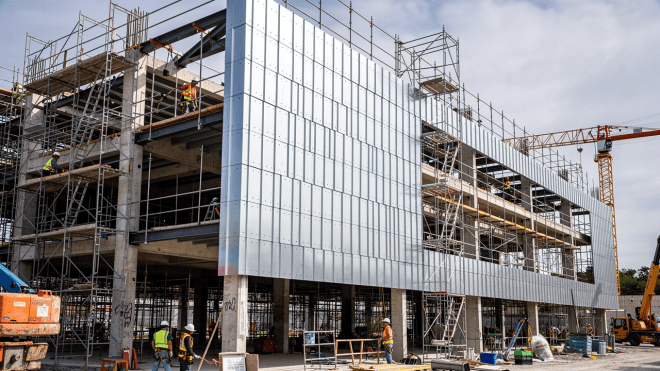
Metal facade systems have emerged as a transformative solution in contemporary building design, offering architects and developers an exceptional combination of performance, aesthetics, and long-term value.
Metal facade systems have emerged as a transformative solution in contemporary building design, offering architects and developers an exceptional combination of performance, aesthetics, and long-term value. These advanced cladding systems represent more than just exterior finishes—they serve as comprehensive building envelopes that address critical challenges in durability, energy efficiency, and design flexibility.
Unmatched Durability and Weather Resistance
Metal facades deliver exceptional resistance to environmental challenges that commonly degrade traditional cladding materials. Engineered from aluminum, steel, zinc, or copper alloys, these systems withstand extreme temperature fluctuations, heavy precipitation, and intense UV exposure without significant deterioration. Unlike conventional materials that may crack, warp, or fade over time, metal panels maintain structural integrity and visual appeal across decades of service. Advanced coating technologies further enhance corrosion resistance, ensuring buildings retain their protective barrier even in coastal or industrial environments where salt spray and pollutants accelerate material breakdown.
Superior Energy Performance Through Thermal Management
Modern metal facade systems incorporate sophisticated thermal engineering that significantly reduces building energy consumption. Ventilated rainscreen configurations create air cavities between the metal skin and insulation layers, promoting natural convection that dissipates heat buildup during summer months while preventing thermal bridging in winter conditions. This dynamic thermal regulation mechanism can reduce HVAC loads by substantial margins compared to traditional wall assemblies. Many systems integrate with high-performance insulation materials and reflective coatings that minimize solar heat gain, contributing to LEED certification requirements and operational cost reductions throughout the building lifecycle.
Design Versatility and Architectural Expression
Metal facades provide unprecedented creative freedom for architectural vision. Manufacturing capabilities now enable complex geometries, custom perforations, and intricate surface textures that transform building exteriors into distinctive landmarks. Designers can specify from extensive finish options including anodized surfaces, powder coatings, patinas, and metallic treatments that achieve virtually any color or sheen requirement. Panel configurations range from flat sheets to profiled cassettes, corrugated patterns, and three-dimensional forms that create dramatic shadow play and visual depth. This adaptability ensures metal systems complement diverse architectural styles from minimalist contemporary to historically-inspired restoration projects.
Accelerated Construction and Installation Efficiency
Prefabricated metal panel systems streamline construction schedules through factory-controlled manufacturing and rapid field assembly. Standardized mounting frameworks and engineered fastening methods reduce installation complexity, enabling facade completion weeks faster than site-built alternatives. The lightweight nature of metal components decreases structural loading requirements and simplifies logistics, reducing transportation costs and crane time on congested urban sites. This installation efficiency translates directly to compressed project timelines, earlier building occupancy, and reduced financing carrying costs for developers seeking competitive market advantages.
Sustainable Building Performance and Lifecycle Benefits
Metal facades align with sustainable building objectives through multiple environmental and economic pathways. Most metal cladding materials contain significant recycled content and maintain full recyclability at end-of-service, supporting circular economy principles. The exceptional durability of these systems extends replacement intervals far beyond conventional materials, reducing embodied energy consumption associated with manufacturing and installing replacement facades. Minimal maintenance requirements eliminate frequent repainting, cleaning, or repairs that generate waste and consume resources. When properly specified and installed, metal facade systems contribute to whole-building sustainability metrics while delivering superior return on investment through reduced lifecycle costs.
Strategic Value Proposition
Metal facade systems represent a comprehensive solution to the multifaceted challenges facing modern building design. Their combination of structural performance, energy efficiency, aesthetic flexibility, and long-term value creation positions them as the optimal choice for projects requiring durable, sustainable, and visually compelling exterior envelopes. As building codes increasingly emphasize energy performance and climate resilience, metal facades provide proven technology that meets current requirements while anticipating future regulatory evolution. For owners, developers, and design professionals seeking competitive advantage through superior building performance, metal facade systems deliver measurable benefits that extend throughout the entire building lifecycle.
 Call Now
  WhatsApp